
Community News · Local History · Brownsboro
Before It Was Brownsboro, It Was Normandy: Texas’s First Norwegian Colony
In 1845, a band of Norwegian pioneers put down roots just outside today’s Brownsboro. One of them carved gravestones by hand for the little colony’s cemetery.
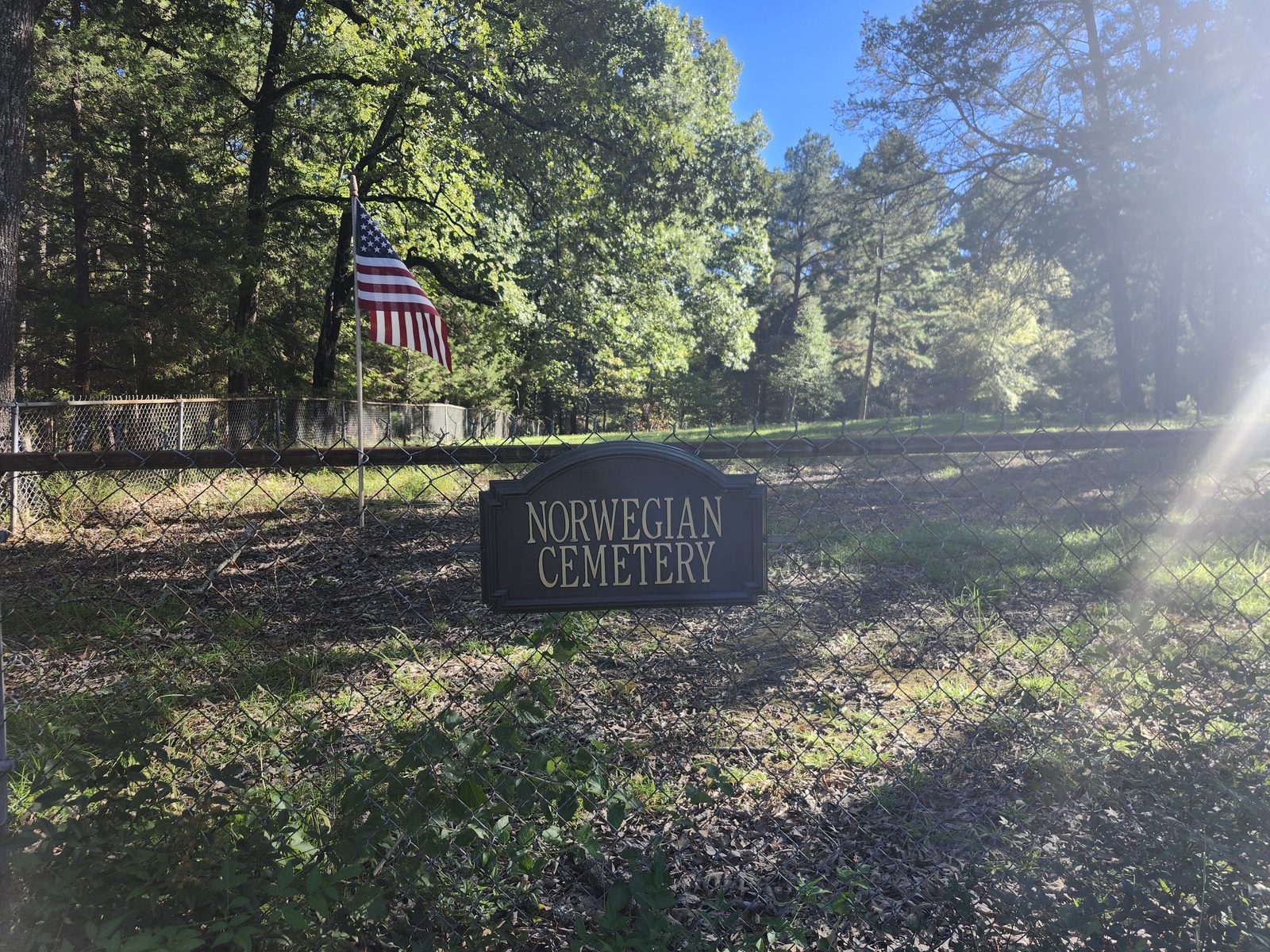
Drive SH 31 through Brownsboro and you will pass two Texas historical markers near FM 314 that many of us have never stopped to read. They tell a story that starts across the Atlantic, in Norway.
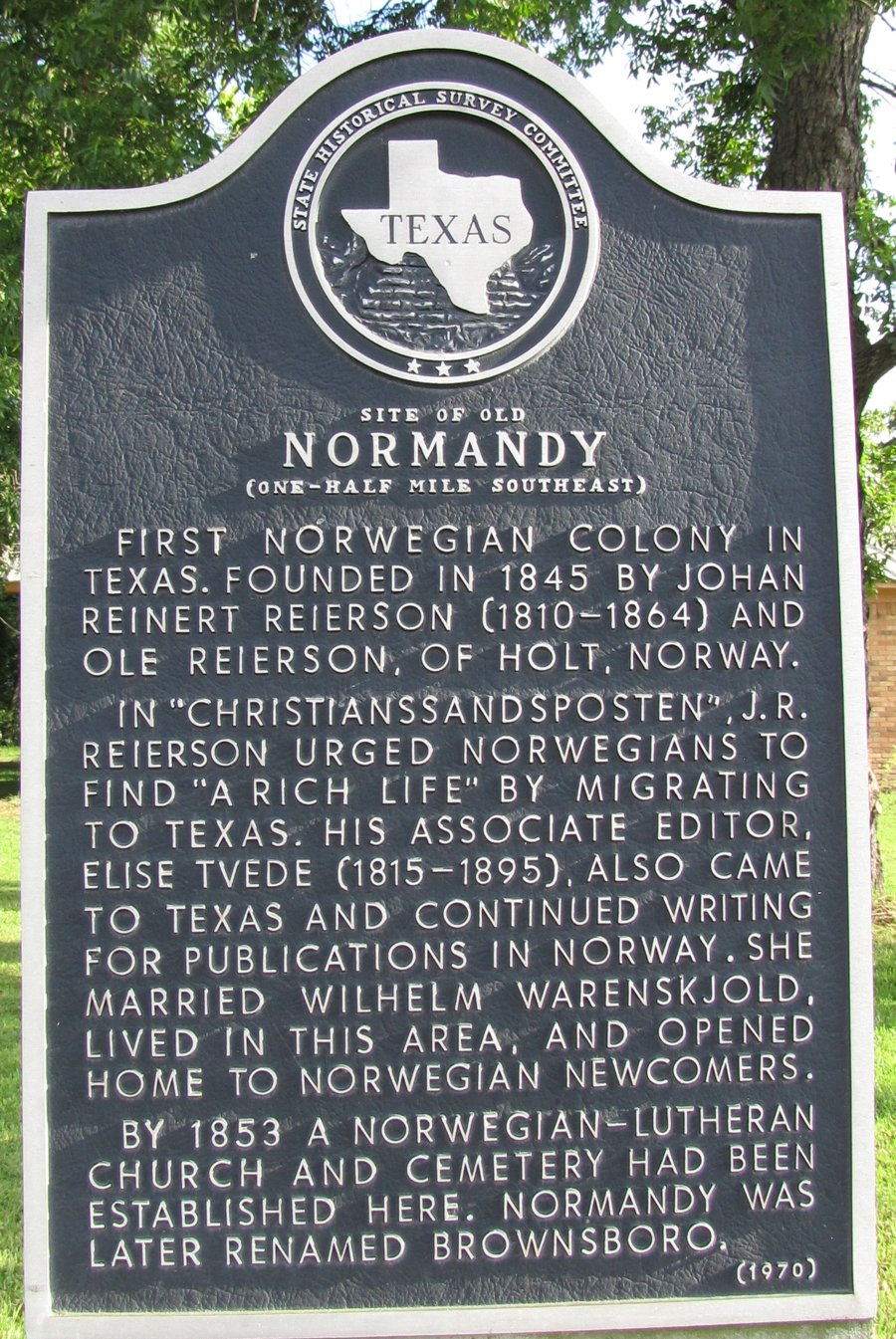
Long before the railroad reached Brownsboro, some of its first neighbors spoke Norwegian. In 1845, a newspaperman named Johan Reinert Reiersen led a small group of settlers to this corner of what became Henderson County and founded Normandy. The state historical marker calls Normandy the “First Norwegian colony in Texas.” The Norwegian Society of Texas points out that at least one Norwegian, Johannes Nordboe, had already made a home in Texas on his own, but Normandy was the first true Norwegian settlement in the state.
A newspaperman with a big idea
Reiersen, born in 1810, published a newspaper in Norway called Christianssandsposten. He believed working families could build better lives in America, and according to the state marker he encouraged his countrymen to seek “a rich life” in Texas.
In 1843, according to the Handbook of Texas, published by the Texas State Historical Association, a group of would-be emigrants paid for Reiersen to scout America. He toured Norwegian communities in the Midwest, then traveled down the Mississippi to New Orleans and on to Austin. There he met President Sam Houston, who urged him to recruit Norwegian colonists for the young republic and offered to help them get a colony started.
Back home in 1844, Reiersen wrote and published a guidebook for emigrants known as Pathfinder. The Handbook of Texas calls it “the most comprehensive book about America published in Norway to that point.”
Settling Normandy
Reiersen sailed back to America in 1845, bringing relatives and a handful of other Norwegians. Once annexation made Texas part of the United States, the group moved onto its land, which the Handbook puts at 1,476 acres in what became Henderson County the following year. Reiersen named the settlement Normandy.
The marker credits two men from Holt, Norway, with founding the colony: Johan Reinert Reierson and Ole Reierson. (The markers spell the name “Reierson.”) The Handbook of Texas and the Norwegian Society of Texas both identify Ole as Johan’s father. The next year, Johan’s brothers Christian and George brought about 50 more settlers. According to the Norwegian-American Historical Association, the colonists also included Grøgaard, an educated relative of Reiersen’s who they hoped would be their pastor and schoolteacher.
Within a few years the colonists had put down deeper roots. By 1853, according to the marker, Normandy had its own Lutheran church and burial ground.
A pioneer who carved the colony’s headstones
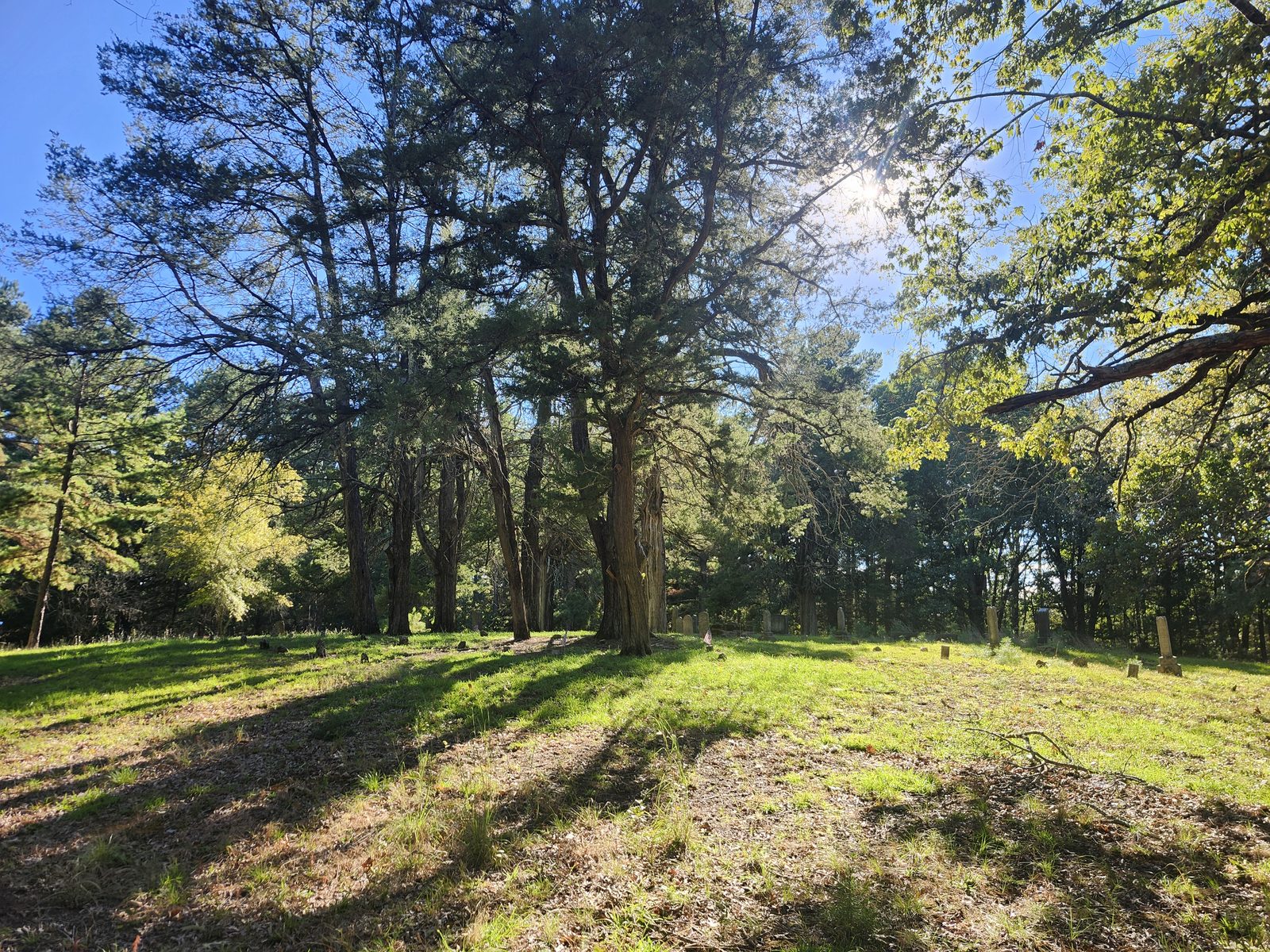
One detail on the cemetery marker tends to stop readers in their tracks. Ole Reierson, it says, purchased the land where the cemetery lies, picked out his own grave site and “carved several of the plain brown gravestones before he died in 1852.”
When the state marker was placed in 1976, it recorded 24 graves with markers and 81 without, most of them belonging to immigrants from Norway. From 1889 until the 1920s, a nearby Lutheran church doubled as the cemetery’s chapel.
The lady with the pen
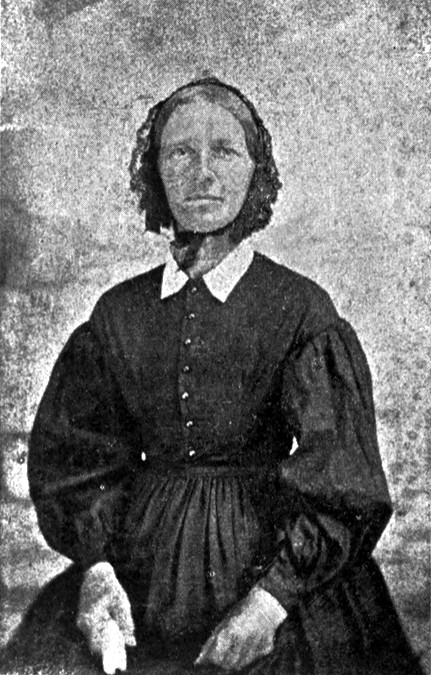
One of Normandy’s most remarkable newcomers was Elise Tvede. Her Handbook of Texas biography says she was born in 1815 in a Norwegian parsonage and was teaching by 19, unusual for a woman then, and later started a school in Lillesand that taught girls handicrafts. In 1846, after Reiersen had moved to Texas, she took over as editor of his magazine, Norge og Amerika, which translates to “Norway and America.”
In October 1847, she joined the Normandy colony herself. The next year she married Wilhelm Wærenskjold, and the couple made their home at Four Mile Prairie in Van Zandt County, where other Norwegians had already settled. Elise lived there for 46 years. As a footnote, she had earlier been married to the sea captain Svend Foyn, who later founded Norway’s whaling industry. They wed in 1839 and separated on friendly terms in 1842, and they remained friends for the rest of their lives.
According to the Normandy marker, Elise kept sending her writing to Norwegian publications and welcomed newly arrived Norwegians into her home. For nearly half a century she wrote letters home, and the Handbook calls them “an invaluable source” for understanding how Texas’s Norwegian pioneers lived. When critics ran down the Norwegian settlements, she stood up for them. Her Handbook biography adds that Norway still honors her memory as a foregangskvinne, or woman leader.
Where did everyone go?
Normandy stayed small. Many of the settlers Reiersen expected went to Missouri instead, the Handbook says. Then, in 1850, Reiersen started over. Sickness had broken out at Brownsboro, and Texas was offering land to newcomers, so he founded a second colony at Four Mile Prairie, straddling the Kaufman–Van Zandt county line. Fourteen Brownsboro households went with him to the new community, which later took the name Prairieville.
After 1848, the Handbook of Texas says, Normandy “apparently merged with nearby Brownsboro and took the name of the latter.” Over the following decades, the Norwegian-American Historical Association notes, many Norwegian families moved on to Bosque County, which became the center of Norwegian life in Texas. Even so, by Elise’s count, 16 Norwegian families were still at the original Brownsboro settlement in 1869.
Cared for over the years
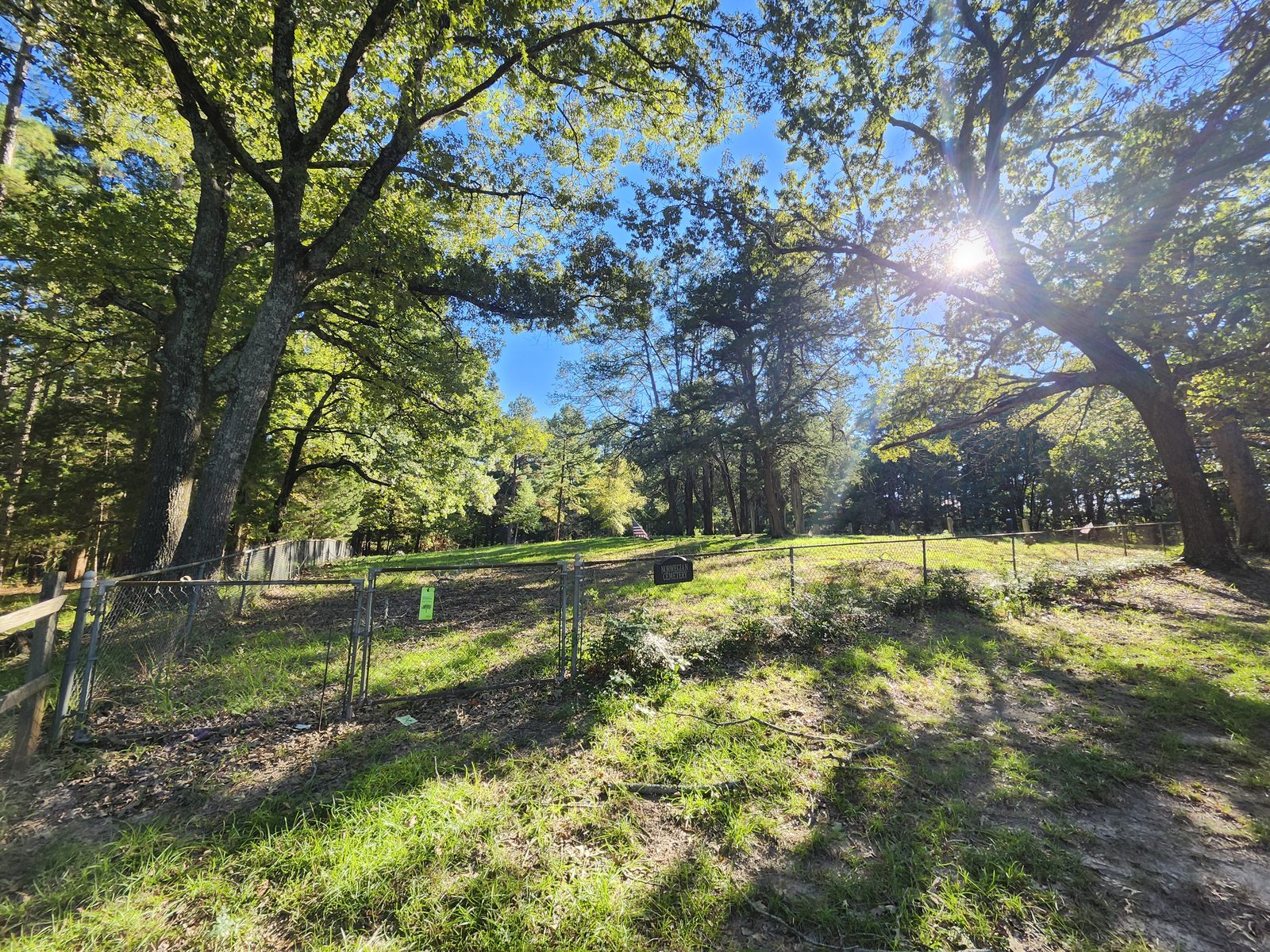
The marker credits Will Tergerson with caring for the graves for years. In 1974, descendants of early settlers formed an association to look after the cemetery, and the marker, placed two years later, credits the group with its upkeep.
Neighbors have pitched in, too. In May 2024, according to the Norwegian Society of Texas, Brownsboro’s Patriots of Texas Riding Club, which supports veterans, planned a day to tidy the cemetery and clear away fallen branches, and local residents planned to join them. The society invited its members to help.
Do you know who cares for the Norwegian Cemetery today, or have you helped with a cleanup? We’d love to hear from you at editor@kickapookolache.com.
So next time you pass FM 314 on SH 31, find a safe spot to stop and read the markers. They are a reminder that this corner of Henderson County has welcomed newcomers from far away for more than 175 years.
Sources
Handbook of Texas Online, Texas State Historical Association (entries on Johan Reinert Reiersen, Elise Amalie Tvede Wærenskjold, Normandy, Brownsboro, John “Red” Brown, Henderson County and Grand Saline); Texas Historical Commission markers “Site of Old Normandy” (1970) and “Brownsboro Norwegian Lutheran Cemetery” (1976), and the commission’s Texas Historic Sites Atlas cemetery record; Norwegian-American Historical Association, “Norwegians in Texas” online exhibit; Norwegian Society of Texas; C. A. Clausen, ed., The Lady with the Pen: Elise Wærenskjold in Texas (1961).