Community News · Chandler
Iced Tea, Shelled Peas and Sweet Ladies: A Porch-Side Visit to the Chandler Museum
Most towns Chandler’s size don’t have a museum at all. Chandler has one with two buildings, and the simple reason is a group of sweet ladies, plus other volunteers, laboring in love.
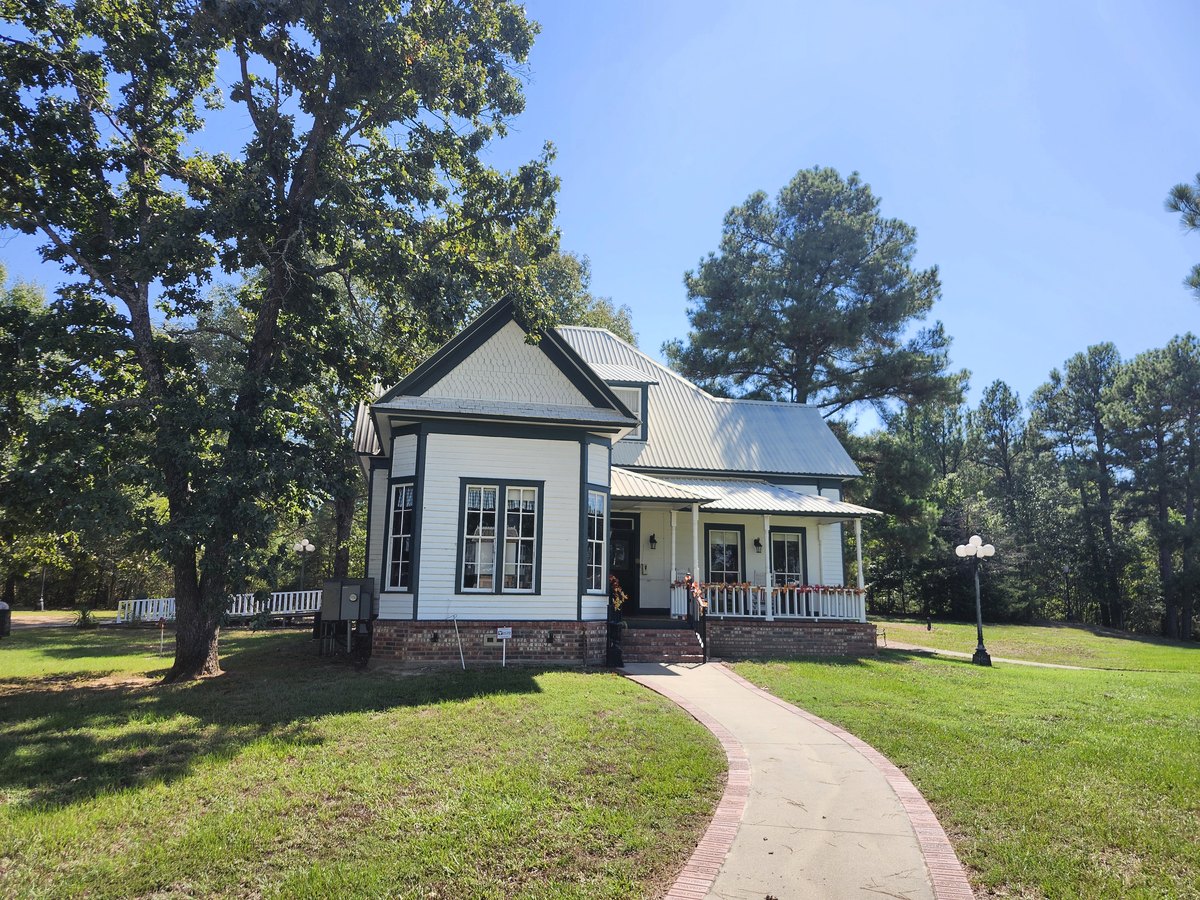
CHANDLER, Texas — At the center of Arlie McCain Memorial Park, on Highway 31 at the western edge of Chandler, sits a white two-story house with the kind of front porch that makes you want to slow down.
It calls up a summer day a lot of folks around here remember: a cold glass of iced tea, a bowl of peas to shell in your lap, and neighbors visiting about local affairs while the afternoon drifts by.
Step inside, and those memories come right back. That goes for those who grew up with days like that, and for those who have driven past for years and never knew what lay inside.
It’s also a rare thing for a town this size. “Most small communities like this don’t have museums,” volunteer Fern said. “So to have a museum like we have with two buildings, it’s rather unique for a small community.”
So why does Chandler have one when most towns its size don’t? The simple reason: these ladies, plus other volunteers, giving their afternoons to keep this community’s history alive and the doors open to anyone who stops by.
The ladies who keep the doors open
The Chandler Museum & Visitors Center runs on volunteer hearts. “Everything is volunteer,” Fern said.
On a recent Friday afternoon, Pat was the one leading visitors from room to room. She said she fell in love with the house from a distance before she ever volunteered there, and when she retired and went looking for a way to help, she found her way inside. Now she spends her Friday afternoons there.
Fern, who settled into a corner of the house with her friend Marilyn, has a simpler reason. “I’ve always loved old houses,” she said. She grew up in one in Ohio, she said, built before the Civil War.
These ladies greet visitors, tell the stories behind the displays, decorate for the seasons and host luncheons and teas. Nobody pays them to do it. They do it because they love this place, and it shows in every dusted shelf and every story they tell.
A walk through Chandler’s past
Each room of the house tells a different part of Chandler’s story, Pat said. For a town this size, it’s a lot of story, and nearly all of it was given by the people who lived it.
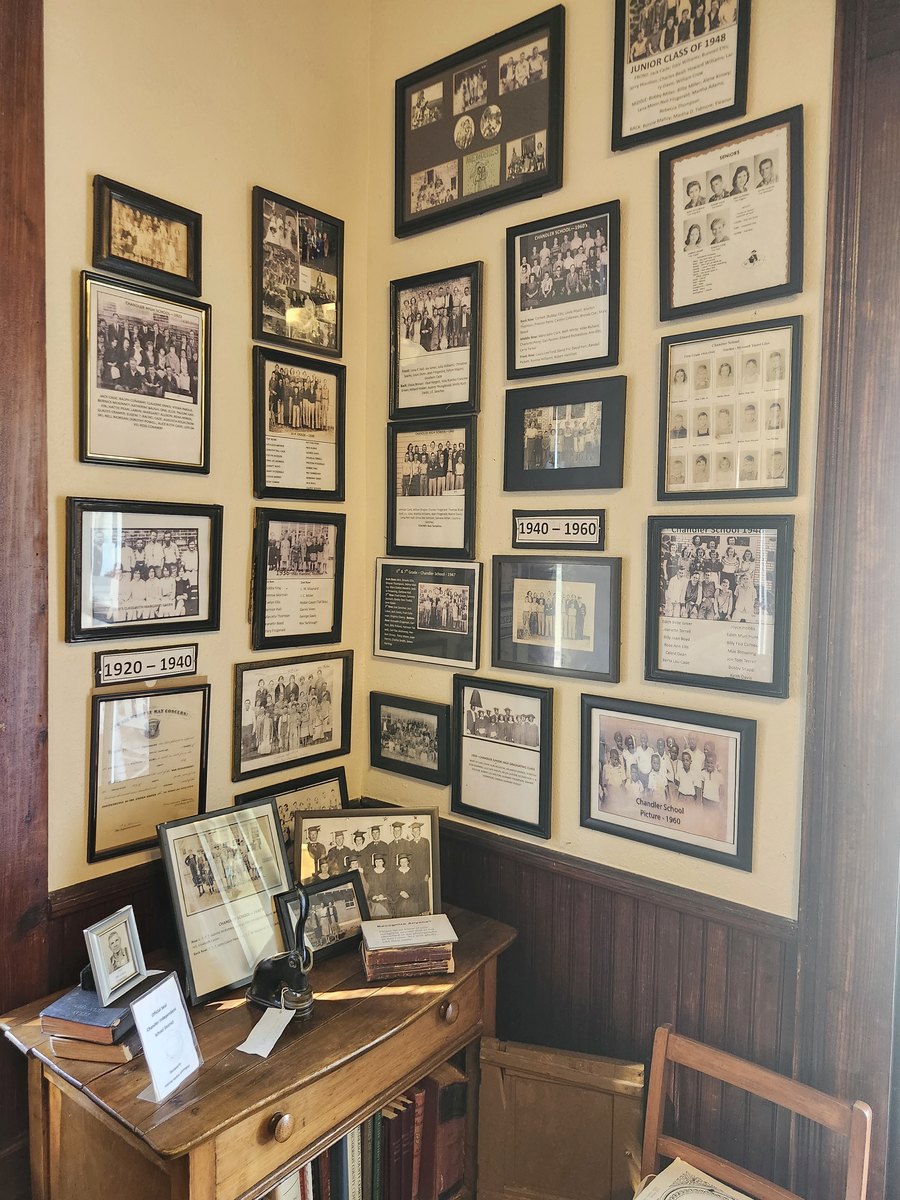
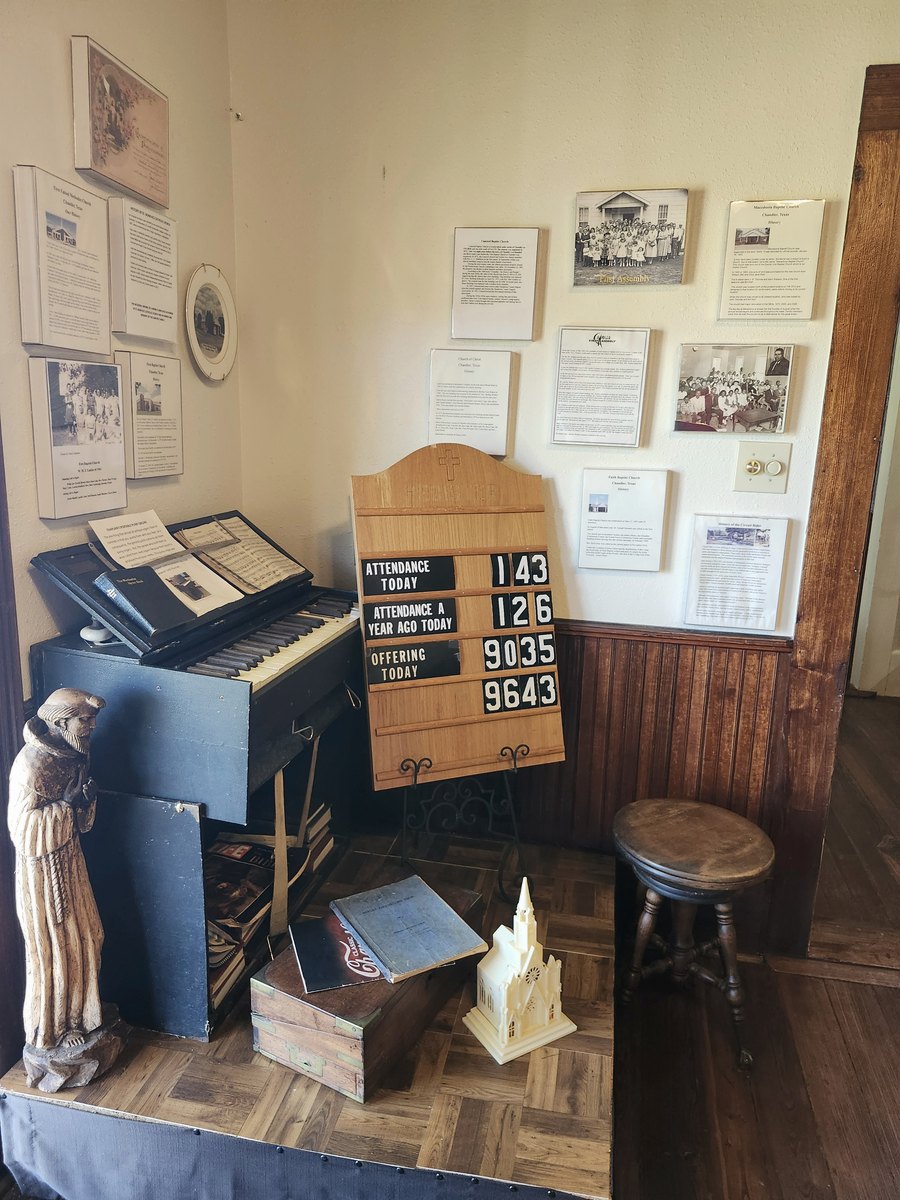
Schools and churches. One room is filled with memorabilia from the original schools and churches of Chandler: class photos lining the walls, an old church sign and a portable pump organ like the ones circuit-riding preachers once carried from congregation to congregation. Chandler had its own high school until the mid-1960s, Pat said, before students moved into the Brownsboro school system. If you went to school in Chandler, or your folks did, plan to spend a while looking for familiar faces.
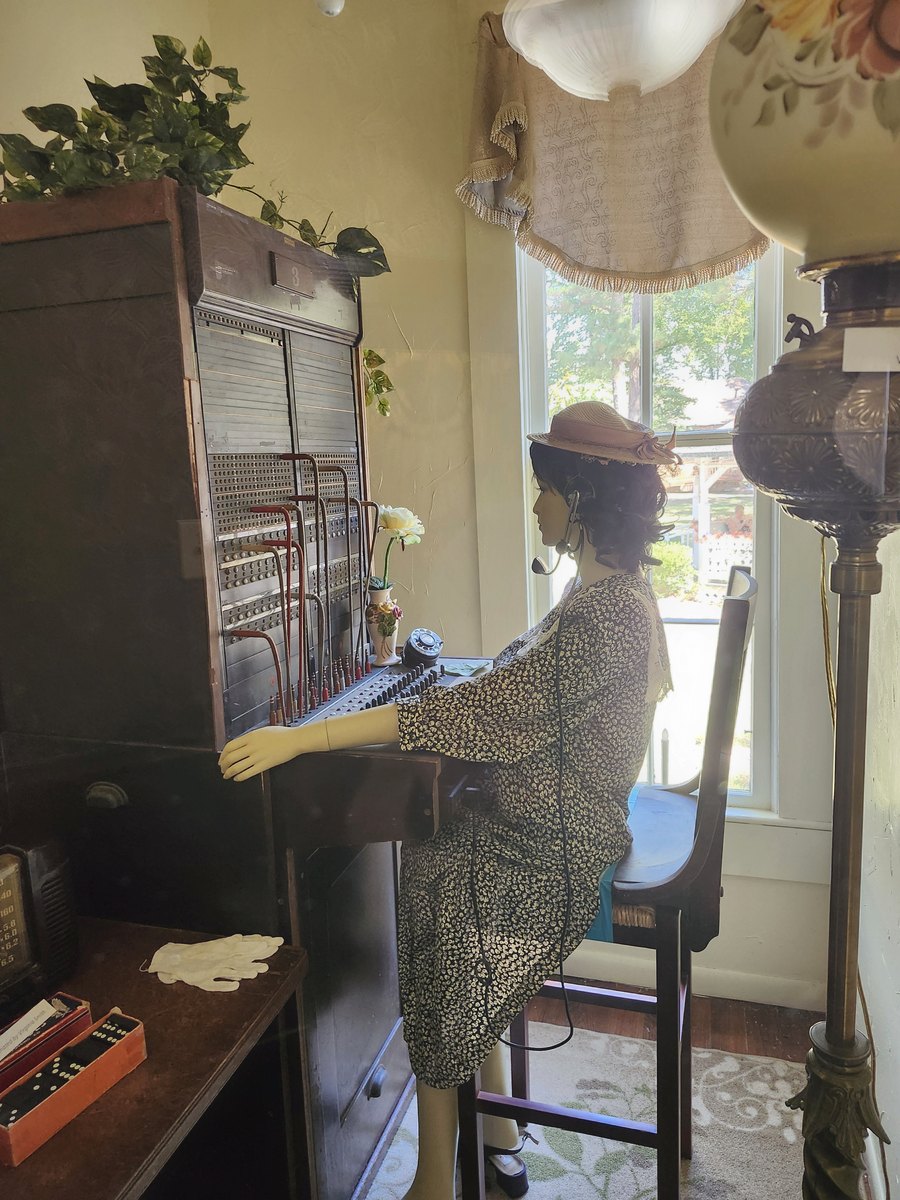
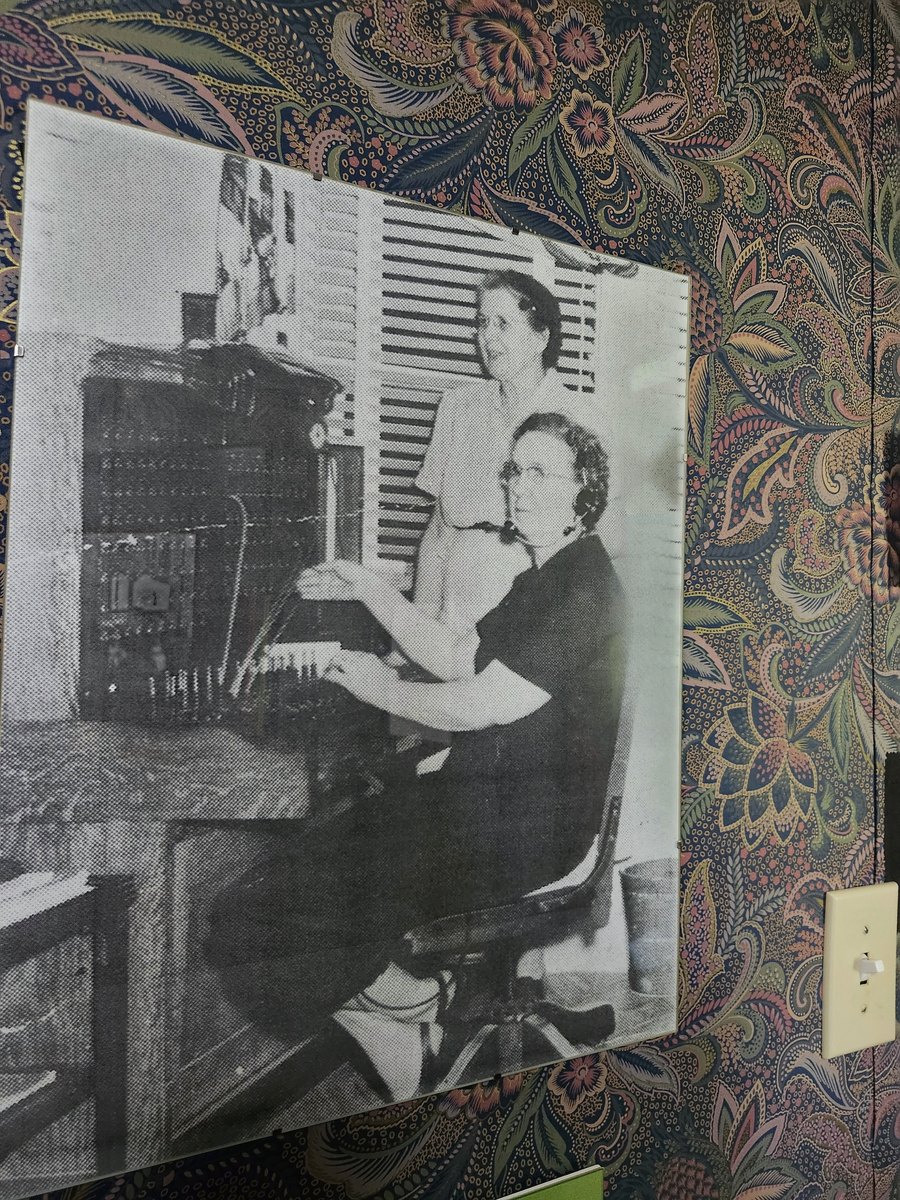
The switchboard. Look out, Elon Musk. Long before anybody talked about working from home, two Chandler friends were doing it, running the area’s telephone switchboard from one of their homes for 43 years and connecting their neighbors’ calls. A mannequin now sits at a replica of that switchboard, with photos of the operators nearby.
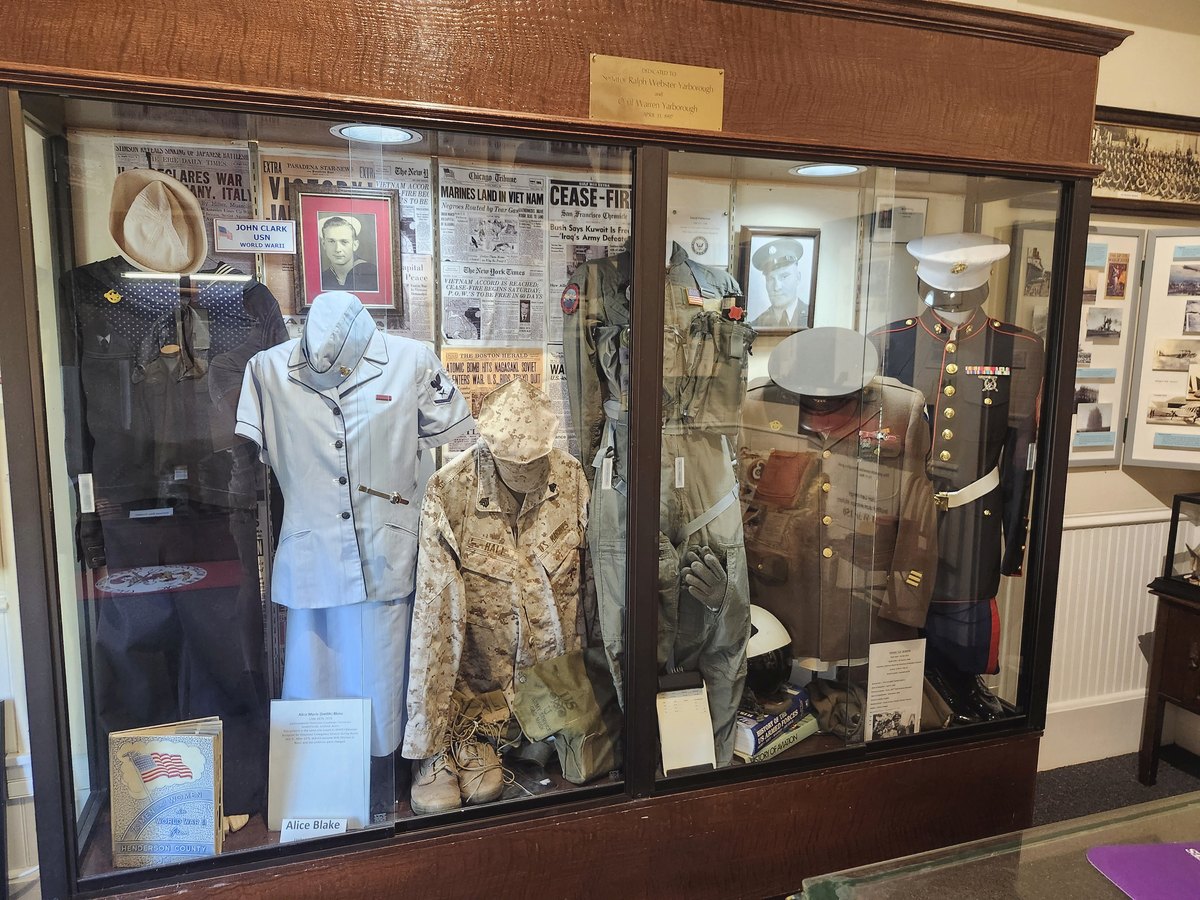
Honoring those who served. In another room, one long glass case stops you in your tracks. Behind it stand the uniforms of Chandler’s own: a sailor’s uniform, a light-blue women’s service uniform, desert camouflage with the boots set beside it, a flight suit, and Marine dress blues topped with a white cap. Yellowed front pages hang behind them, “Marines Land in Viet Nam” among them, along with a framed portrait of a young sailor, John Clark, who served in the U.S. Navy during World War II.
None of it was bought. Everything in the room came from Chandler, Pat said, given by people in town or left behind by Chandler service members, and small cards in the case tell whose things they were. A brass plaque above the glass dedicates the case to the late U.S. Sen. Ralph Webster Yarborough, who was born in this house, and his wife, Opal Warren Yarborough. It’s a quiet stop on the tour, and one worth lingering over.
The children’s room. A front room is set aside for children’s toys from years gone by, the kind of things that make grown-ups stop and point. Pat said she loves seeing the children who come through. It’s a good reason to bring the grandkids along.
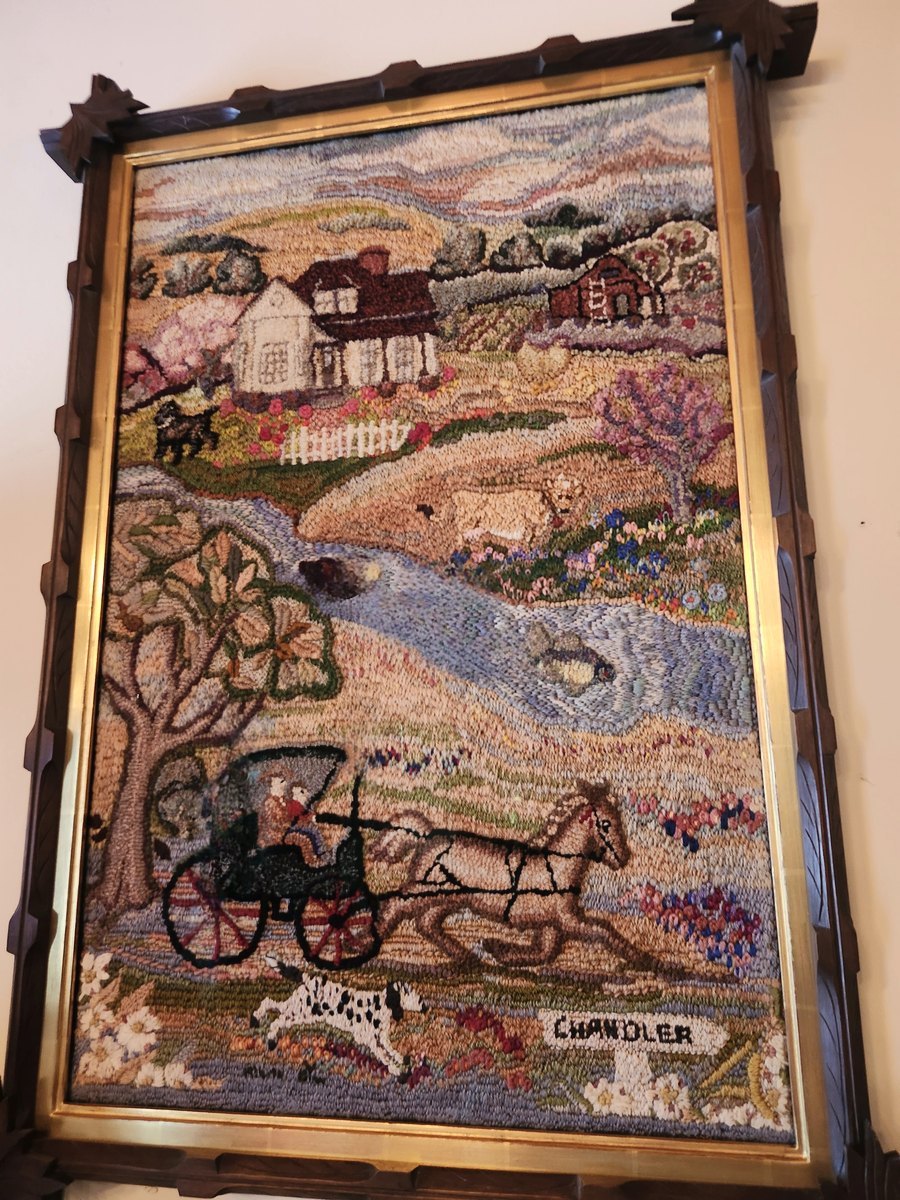
The parlor and the café room. The parlor holds a Victrola that still works and a 1920s sofa Fern donated from her family. Hanging nearby is a sewn folk-art picture of the house itself, complete with a duck paddling in the river, made by a lady of the Yarborough family and presented to the museum by descendants a couple of years ago, Pat said. At the back of the house, a café room set with dishes from Chandler’s past is where the ladies host luncheons and ladies’ teas, including a summer tea held this year in August. The museum’s brochure says the café room seats a dozen for group “Tea and Tours” by reservation, a fine excuse to bring your Sunday school class or club.
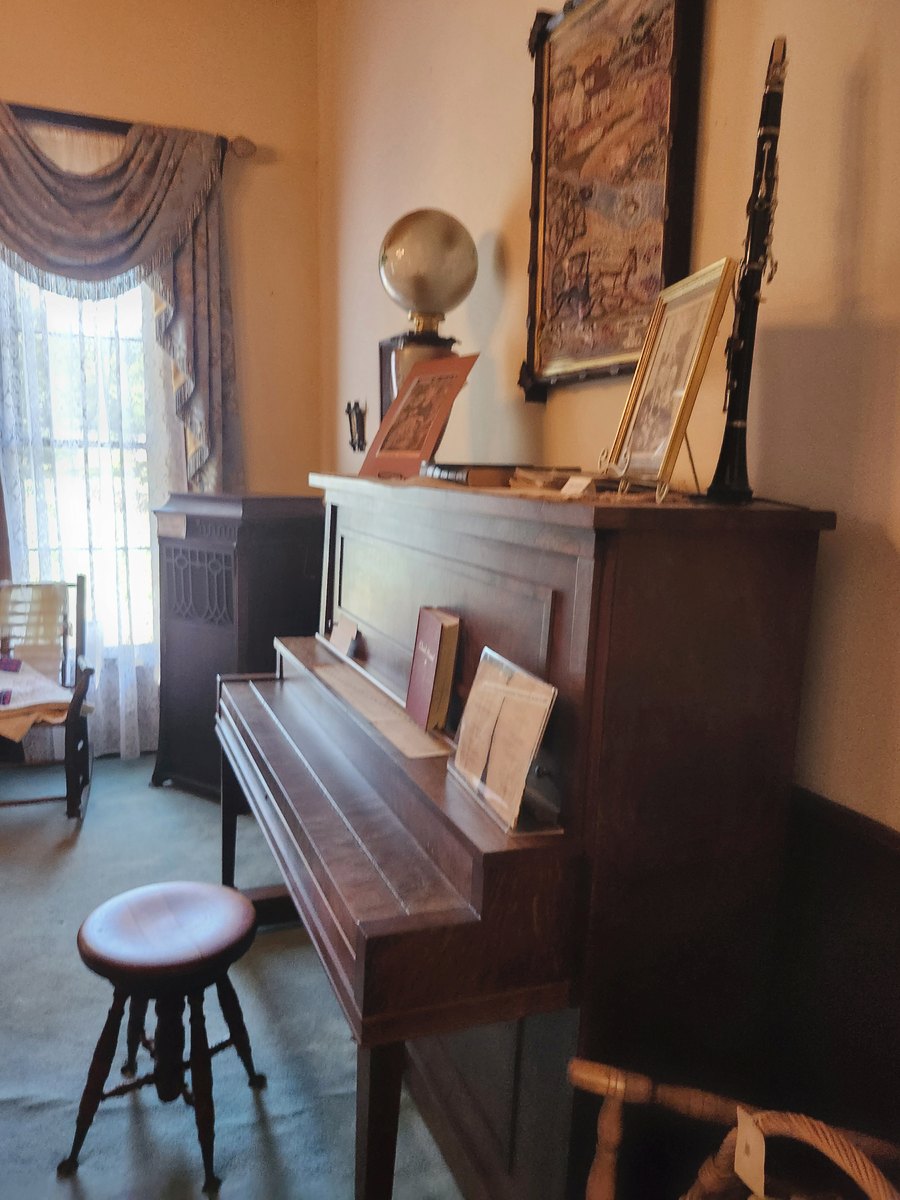
“It brings back a lot of memories”
Almost everything inside came from the community. “Everything in here has been donated,” Fern said.
Her favorite part is that same porch-day feeling. “We’ve had so many sweet people come through,” she said. “They’ll say, ‘Oh, my mother had one of those,’ or ‘My grandmother had one of those.’ … It brings back a lot of memories for people.”
Built by love, too
The house itself came home the same way. Fern said that once it was moved to the park, folks from the community who were handy with woodworking volunteered about a year putting it back together, porches, foundation and all. The museum opened in March 2014, according to the museum’s brochure.
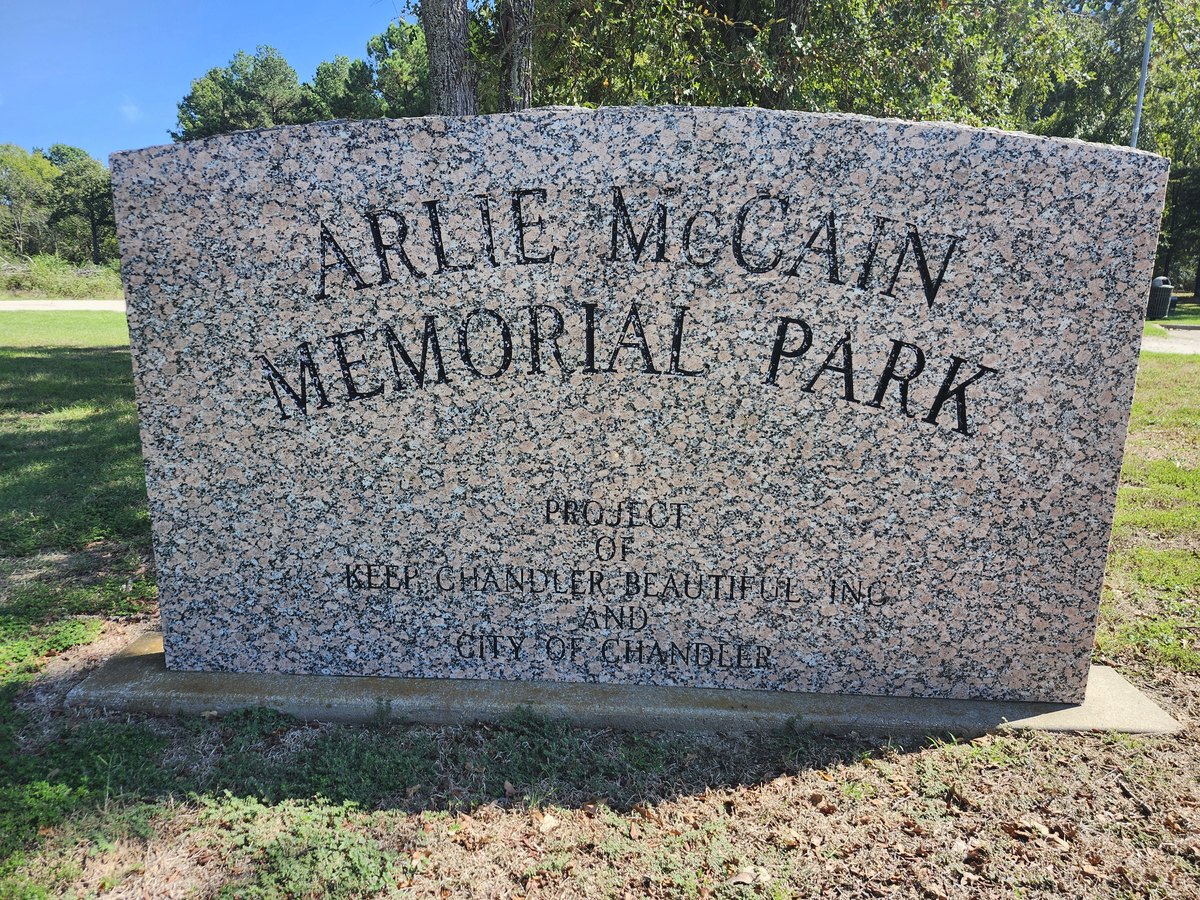
The park around it is a labor of love, too. A plaque near the entrance says it was “made possible by a group of dedicated volunteers, 2001–2005,” with Keep Chandler Beautiful, Inc., the Arlie McCain family, local businesses, a Brownsboro ag class and an Eagle Scout project among those thanked.
This time of year, the lawn is dressed for fall with displays put up by local merchants and groups, Fern said, including one from the East Henderson County Rotary Club. It’s worth a drive-by on its own.
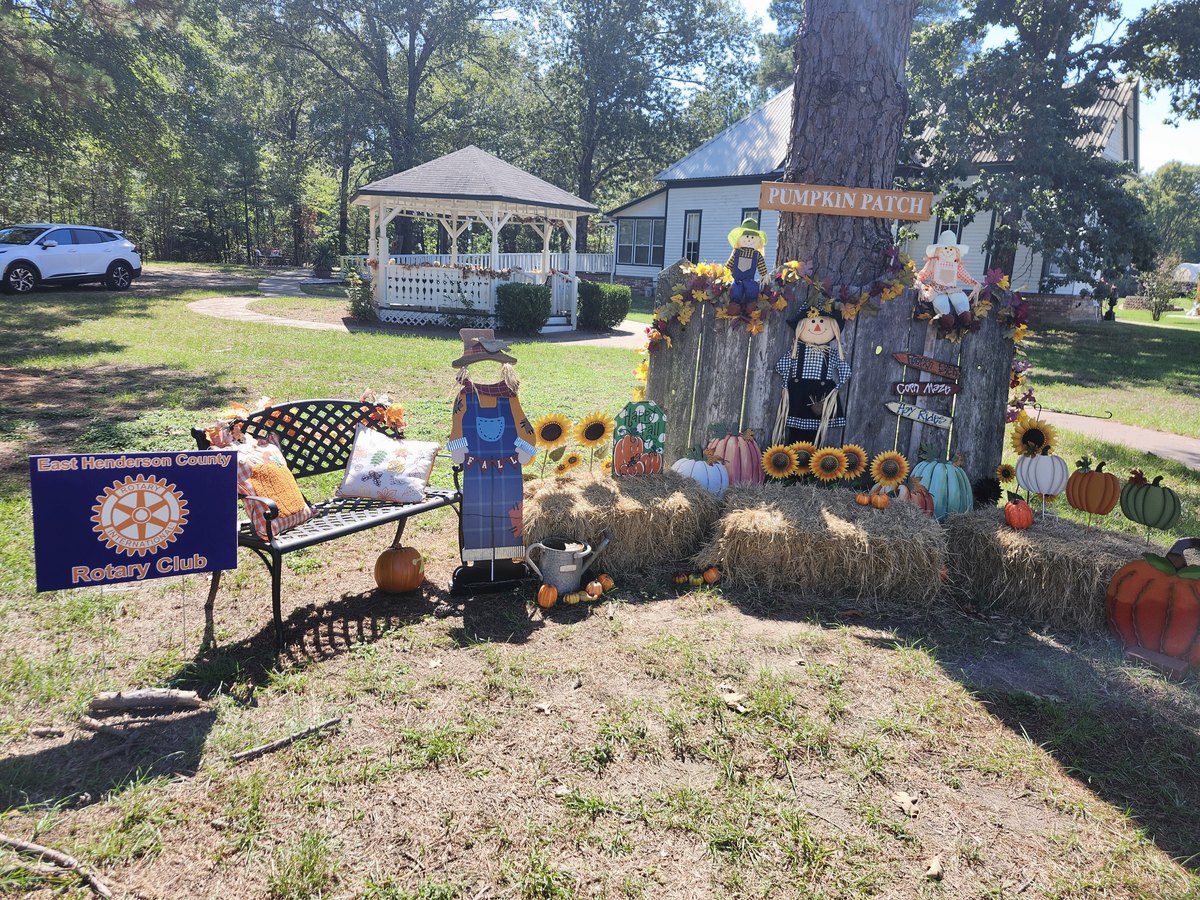
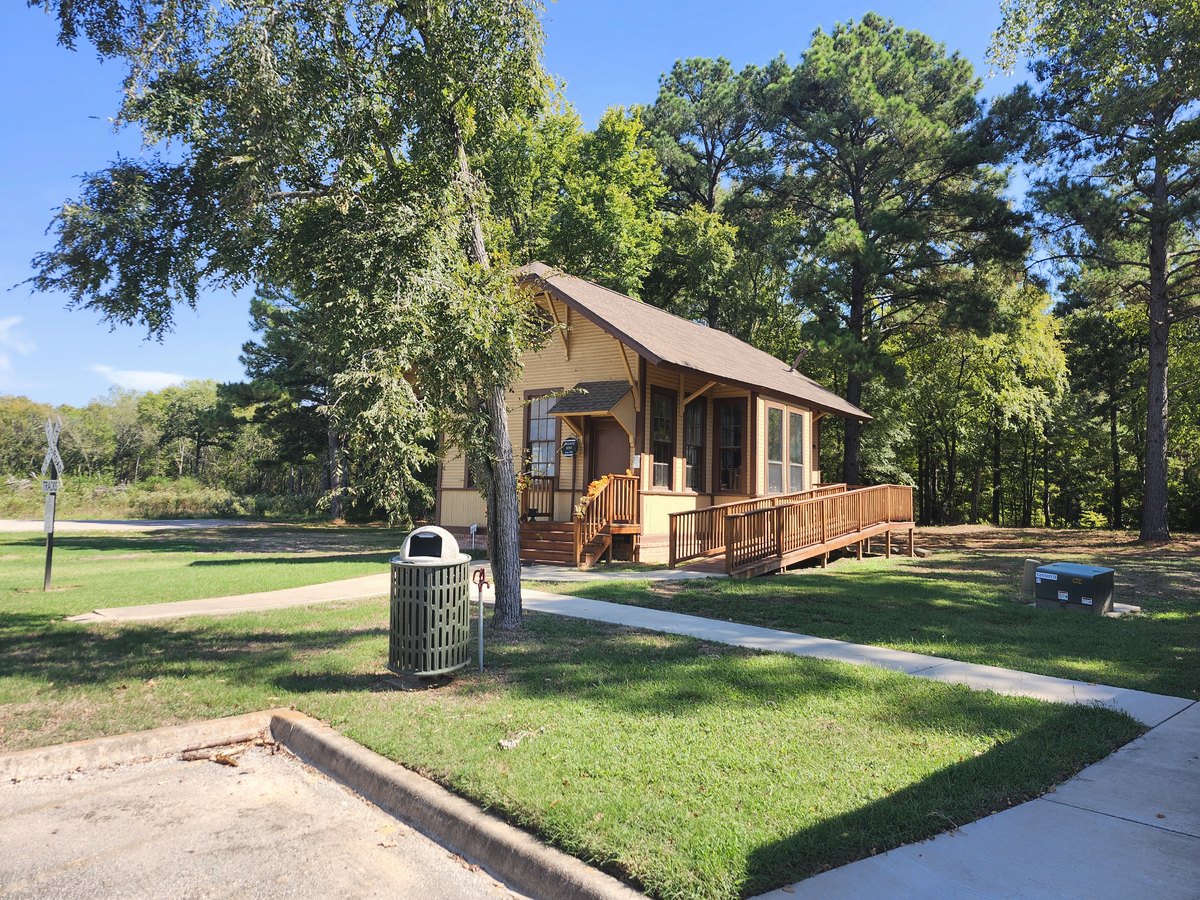
Or simply visit. Whether you grew up shelling peas on a porch like that one or have only ever driven by and wondered what lay inside, it’s worth stepping through the door. Next time you’re on Highway 31, pull in. The ladies will be glad to see you.